Showing posts with label Toe Scrunching. Show all posts

Foot Rehab Exercises: Strengthen and Heal with These Effective Techniques

Foot rehab exercises in Austin, Texas can help you recover from foot and ankle injuries. These exercises focus on strengthening the muscles in your feet and improving flexibility and mobility.

Some common foot rehab exercises include seated toe raises, standing calf stretches, toe taps, and ankle pump-ups. You can also try toe splay, toe curls, and ankle alphabets to strengthen your feet. It's important to consult with a healthcare professional or physical therapist before starting any exercise program to ensure safety and effectiveness.

By regularly practicing these foot rehab exercises, you can support your recovery and improve your overall foot health.

1. Understanding Foot Rehabilitation

Discover the importance of foot rehabilitation through effective foot rehab exercises. Improve strength, flexibility, and overall functionality with a variety of exercises such as heel raises, toe taps, and ankle pump-ups. Enhance your foot health and recovery at home with these simple yet beneficial exercises.

Importance Of Foot Rehabilitation For Strengthening And Healing

Foot rehabilitation plays a crucial role in both strengthening and healing the feet. Whether you are an athlete recovering from a foot injury or simply someone looking to improve foot health, rehabilitation exercises can greatly benefit you. By focusing on targeted exercises, you can not only regain strength and flexibility in your feet but also prevent future injuries. This article will delve into the importance of foot rehabilitation, common foot injuries and conditions that require rehabilitation, as well as an overview of different foot rehab exercises and their benefits.

Common Foot Injuries And Conditions That Require Rehabilitation

Various injuries and conditions can affect the feet, necessitating the need for rehabilitation. Some of the common foot issues that may require rehabilitation exercises include:

  • Plantar Fasciitis
  • Achilles Tendonitis
  • Stress Fractures
  • Sprained Ankles
  • Metatarsalgia
  • Flat Feet

By engaging in foot rehab exercises, individuals with these conditions can alleviate pain, improve mobility, and enhance overall foot function.

Overview Of Foot Rehab Exercises And Their Benefits

Foot rehabilitation exercises encompass a wide range of activities that target different muscles and structures of the feet. Whether you are looking to strengthen the arches, improve balance, or increase flexibility, there are specific exercises tailored to address your needs. Here are some examples of foot rehab exercises and their benefits:

Exercise Benefits
Seated Heel Raise Strengthens calf muscles and improves ankle stability
Standing Calf Stretch Enhances flexibility of the calf muscles and Achilles tendon
Toe Taps Targets toe flexor muscles and improves coordination
Toe Stand Builds strength in the intrinsic muscles of the feet and improves balance
Ankle Alphabet Increases range of motion in the ankle joint and strengthens ankle muscles

These are just a few examples of foot rehab exercises, and there are many more tailored to specific foot conditions. By incorporating these exercises into your daily routine, you can promote healing, improve foot strength, and prevent future injuries.

In conclusion, understanding foot rehabilitation is crucial for anyone seeking to strengthen and heal their feet. By recognizing the importance of foot rehab, identifying common injuries and conditions that require rehabilitation, and familiarizing yourself with various rehab exercises and their benefits, you can take proactive steps towards improving your foot health. So don't wait any longer - start your foot rehab journey today!

2. Strengthening Exercises For Foot Rehab

Welcome to the second section of our foot rehab exercises series, focusing on strengthening exercises. Strengthening the muscles in your feet is crucial for improving stability, balance, and overall foot health. In this section, we will explore a variety of exercises designed to target different areas of the foot, including toe strength, arches, flexibility, and ankle strength.

Seated Test For Assessing Foot Strength

The Seated Test is a simple yet effective way to assess the strength of your foot muscles. To perform this test, sit upright on a chair with your feet flat on the floor. Lift one foot off the ground, keeping your knee bent at a 90-degree angle. Slowly press the ball of your foot against the floor, then release. Repeat this motion for 10 to 15 repetitions on each foot. This test will help you determine if there are any strength imbalances or weaknesses in your foot muscles.

Toe Control Test For Improving Toe Strength And Control

The Toe Control Test is a great exercise for improving toe strength and control. Start by sitting on a chair with your feet flat on the floor. Lift your toes off the ground, keeping the rest of your foot firmly planted. Slowly lower your toes back down to the floor, one at a time, starting with your big toe. Repeat this exercise for 10 to 15 repetitions on each foot. This exercise targets the small muscles in your toes, which are often neglected but play a crucial role in foot stability and balance.

Toe Press Exercise For Strengthening The Muscles In The Foot

The Toe Press Exercise is an effective way to strengthen the muscles in your foot. Start by sitting on a chair with your feet flat on the floor. Place a towel or small towel roll on the ground in front of you. Press the tips of your toes into the towel, scrunching it up towards your arches. Hold this position for 5 seconds, then relax. Repeat this exercise for 10 to 15 repetitions on each foot. This exercise targets the muscles in your arches and helps improve overall foot strength.

Flexion-extension Wave For Increasing Flexibility And Mobility

The Flexion-Extension Wave is a dynamic exercise that helps increase flexibility and mobility in the foot. Start by sitting on a chair with your feet flat on the floor. Lift your toes off the ground, flexing your foot towards your shin. Then, extend your foot, pointing your toes away from your body. Repeat this flexion-extension motion for 10 to 15 repetitions on each foot. This exercise promotes flexibility in the foot and helps reduce the risk of injuries such as plantar fasciitis.

Flexion Wave Exercise For Strengthening The Arches Of The Foot

The Flexion Wave Exercise is specifically designed to strengthen the arches of your foot. Start by sitting on a chair with your feet flat on the floor. Lift your toes off the ground and curl them towards your arches. Hold this position for 5 seconds, then relax. Repeat this exercise for 10 to 15 repetitions on each foot. This exercise targets the muscles in your arches, helping to improve their strength and stability.

Toe Walking And Heel Walking For Improving Balance And Stability

To improve balance and stability, incorporate toe walking and heel walking into your foot rehab routine. Start by standing upright with your feet shoulder-width apart. Slowly rise up onto your toes and walk forward for approximately 20 steps. Then, lower your heels to the ground and walk backward for the same number of steps. Repeat this pattern for 2 to 3 sets. Toe walking strengthens the muscles in the front of your leg and foot, while heel walking targets the muscles in the back of your leg and foot.

Standing Vault Foot Walking For Enhancing Foot And Ankle Strength

The Standing Vault Foot Walking exercise is an advanced exercise that challenges the strength of your foot and ankle muscles. Start by standing upright and placing your hands on a stable surface for support. Lift one foot off the ground and balance on the other foot. Slowly "walk" forward, rolling from the ball of your foot to your toes, then back to the ball of your foot. Continue this rolling motion for approximately 20 steps on each foot. This exercise helps improve foot and ankle strength, as well as balance and proprioception.

Summary Of Foot Strengthening Exercises

In summary, foot strengthening exercises play a vital role in foot rehab. The Seated Test, Toe Control Test, Toe Press Exercise, Flexion-Extension Wave, Flexion Wave Exercise, Toe Walking, Heel Walking, and Standing Vault Foot Walking are all valuable exercises to incorporate into your routine. These exercises target different areas of the foot, improving overall strength, balance, flexibility, and stability. So, start incorporating these exercises into your foot rehab program and experience the benefits of stronger and healthier feet.


3. Ankle And Foot Exercises For Rehabilitation

Rehabilitate your feet with these effective ankle and foot exercises. From toe presses to heel raises, these exercises will strengthen your foot muscles and improve mobility. Start your foot rehab journey today.

If you're looking to rehabilitate your ankles and feet, incorporating specific exercises into your routine can be highly beneficial. These exercises target the muscles and joints in your lower limbs, helping to improve strength, balance, and stability. Below are four effective ankle and foot rehab exercises that you can easily incorporate into your routine:

Heel Raises For Strengthening The Calves And Ankles

Heel raises are a simple yet effective exercise for strengthening the calves and ankles. To perform this exercise:

  1. Stand with your feet hip-width apart, placing your hands on a stable surface for support.
  2. Slowly rise up onto the balls of your feet, lifting your heels as high as possible.
  3. Hold the raised position for a few seconds, then lower your heels back down to the starting position.
  4. Repeat for 10-15 repetitions, gradually increasing the number of sets as your strength improves.

Dynamic Balance Single Leg Rdl For Improving Balance And Stability

The dynamic balance single leg RDL exercise is excellent for improving balance and stability. To perform this exercise:

  1. Stand on one leg, slightly bending your knee.
  2. Bend forward at the hips while extending your raised leg straight behind you.
  3. At the same time, reach your opposite arm towards the ground to maintain balance.
  4. Return to the starting position and repeat on the other leg.
  5. Perform 8-10 repetitions on each leg, gradually increasing the difficulty by holding light weights in your hands.

Single Leg Rdl With The Knee Drive For Strengthening The Hips And Ankles

The single leg RDL with the knee drive exercise targets the hips and ankles, helping to improve strength and stability. Here's how to do it:

  1. Stand on one leg with a slight bend in your knee and your hands on your hips.
  2. Bend forward at the hips while extending your raised leg straight behind you.
  3. As you return to the starting position, drive your knee up towards your chest.
  4. Repeat on the other leg.
  5. Perform 8-10 repetitions on each leg, gradually increasing the difficulty by holding light weights in your hands.

Plyometrics For Enhancing Power And Agility In The Feet And Ankles

Plyometric exercises are great for enhancing power and agility in the feet and ankles. These exercises involve explosive movements that engage your muscles and improve their ability to generate force quickly. Two popular plyometric exercises for the feet and ankles are double leg hopping in place and single leg hopping side to side. Here's how to perform them:

  1. Double Leg Hopping in Place: Begin by standing on both feet with your knees slightly bent. Jump up explosively, lifting both feet off the ground at the same time. Land softly back on both feet and repeat for 10-15 repetitions.
  2. Single Leg Hopping Side to Side: Stand on one leg with a slight bend in your knee. Jump sideways, landing on the opposite leg. Repeat the movement, alternating sides. Aim for 8-10 repetitions on each leg.

By incorporating these ankle and foot rehab exercises into your routine, you can improve strength, balance, and stability in your lower limbs. Remember to start with lighter weights or modifications if needed and gradually increase the difficulty as you progress. With consistent practice, you'll be on your way to stronger and healthier ankles and feet.

4. Rehabilitating Specific Foot Injuries And Conditions

Rehabilitating specific foot injuries and conditions can be achieved through a variety of foot rehab exercises. These exercises include activities like toe raises, toe splay, marble pickup, and ankle alphabet, which strengthen the feet and promote recovery. With consistency and proper guidance, foot rehab exercises can help individuals regain strength and mobility in their feet.

Foot Rehab Exercises

Introduction To Anatomy Details Related To Foot Rehabilitation

In order to effectively rehabilitate foot injuries and conditions, it is important to have a clear understanding of the anatomy of the foot. The foot is a complex structure consisting of bones, muscles, tendons, ligaments, and joints, all working together to support our body weight and facilitate movement. By understanding the specific structures involved, we can target our rehabilitation exercises to address the underlying issues and promote healing and recovery.

Asmr: Plantar Fascia For Relieving Pain And Tension In The Foot

The plantar fascia is a thick band of connective tissue that runs along the bottom of the foot, connecting the heel bone to the toes. When this tissue becomes inflamed or irritated, it can cause intense pain and discomfort. One effective technique for relieving pain and tension in the foot is ASMR, or Autonomous Sensory Meridian Response. ASMR involves gentle tapping and pressure on the plantar fascia, helping to stimulate blood flow and reduce inflammation.

Foot Joint Mobilization Techniques For Improving Range Of Motion

Improving range of motion in the foot is crucial for rehabilitation and preventing further injuries. Foot joint mobilization techniques involve gentle manipulations and movements to promote flexibility and reduce stiffness. By targeting specific joints in the foot, such as the ankle joint and the joints in the toes, these techniques can help improve overall mobility and function.

Short & Skinny Foot Exercises For Addressing Specific Foot Structure Issues

Some individuals may have specific foot structure issues, such as high arches or flat feet, that can contribute to pain and instability. Short & Skinny Foot exercises are designed to address these specific concerns by targeting the muscles and ligaments that support the foot arch. These exercises help to strengthen and stabilize the foot, improving overall foot function and reducing the risk of injury.

Active Arch Exploration For Strengthening The Arches Of The Foot

Strong arches are essential for providing support and stability to the foot. Active Arch Exploration exercises focus on activating and strengthening the muscles of the arch, helping to improve arch height and prevent conditions such as fallen arches or plantar fasciitis. By incorporating dynamic movements and stretches, these exercises can help restore proper arch function and promote optimal foot mechanics.

Fundamental Movement Patterns For Improving Overall Foot Function

Improving overall foot function involves not only addressing specific injuries or conditions but also focusing on fundamental movement patterns. These patterns include movements such as walking, running, jumping, and balancing, which require coordination and strength in the feet. By incorporating exercises that mimic these movements, we can improve overall foot function and enhance performance in daily activities and sports.

Active Arch X Exercises For Advanced Foot Rehabilitation

For individuals looking to take their foot rehabilitation to the next level, Active Arch X exercises provide a challenging and advanced workout. These exercises target the muscles and ligaments that support the arch, with a focus on increasing strength, stability, and flexibility. By pushing the limits of foot strength and endurance, these exercises can help individuals fully recover from foot injuries and improve overall foot health.

Next Steps In Foot Rehabilitation After Completing Exercises

Completing the prescribed foot rehab exercises is just the first step towards full recovery. After completing the exercises, it is important to continue with a comprehensive maintenance plan to ensure long-term foot health. This may include regular stretching, strengthening exercises, and wearing appropriate footwear. Consulting with a healthcare professional is advised to tailor a personalized plan that suits individual needs and goals.

5. Additional Resources For Foot Rehab

Discover a variety of additional resources for foot rehab exercises, including instructional videos and step-by-step guides. These resources provide helpful exercises to strengthen your feet and promote recovery from foot and ankle injuries. Start your journey to healthier feet today.

Toe Exercises For Improving Foot Strength And Flexibility

Toes play a crucial role in foot stability and balance. By incorporating toe exercises into your foot rehab routine, you can improve foot strength and flexibility. Some effective toe exercises include:
  1. Seated heel raise: Sit comfortably on a chair and lift your toes off the ground while keeping your heels grounded. Hold for a few seconds and repeat.
  2. Standing calf stretch: Stand near a wall and place your hands on the wall for support. Step one foot back, keeping the heel on the ground, and bend the front knee. Feel the stretch in the calf muscle. Hold for 20-30 seconds and switch sides.
  3. Standing toe touches: Stand with your feet hip-width apart. Bend forward at the waist, reaching your hands towards your toes. Try to touch your toes while keeping your knees straight. Hold for a few seconds and slowly return to the starting position.
  4. Toe taps: Sit on a chair with your feet flat on the floor. Lift your toes upwards, then tap them back down on the ground. Repeat this motion for a few minutes to stimulate the muscles in your toes.
  5. Seated toe raise: Sit on a chair with your feet flat on the ground. Lift your toes as high as possible while keeping your heels grounded. Hold for a few seconds and slowly lower them back to the ground.
  6. Toe Stand: Stand with your feet hip-width apart, then rise up onto the balls of your feet. Slowly lower yourself back down. This exercise strengthens the muscles in your toes and the arches of your feet.

Tips For Rehabbing A Foot Injury Or Condition

If you're suffering from a foot injury or condition, proper rehab exercises can help speed up the recovery process. Here are some helpful tips to keep in mind:
  • Consult with a healthcare professional: Before starting any rehab exercises, it's important to get an accurate diagnosis and treatment plan from a healthcare professional.
  • Follow a gradual progression: Begin with gentle exercises and gradually increase intensity and duration as your foot heals. Don't push yourself too hard too soon.
  • Listen to your body: Pay attention to any pain or discomfort during exercises. If something doesn't feel right, stop immediately and seek guidance from a healthcare professional.
  • Combine rest with exercise: While exercises are important, rest is equally crucial for recovery. Find the right balance between rest and activity to encourage healing.
  • Use proper footwear: Invest in supportive and comfortable footwear that provides adequate cushioning and stability for your feet.

Best Exercises For Bad Feet And Their Benefits

If you have bad feet, certain exercises can help alleviate pain and improve overall foot health. Here are some recommended exercises and their benefits:
Swimming
Swimming is a low-impact activity that takes the pressure off your feet while providing a great cardiovascular workout.
Yoga
Yoga helps improve flexibility, balance, and strength. Many yoga poses involve stretching and strengthening the muscles in your feet.
Riding a bicycle
Cycling is a low-impact exercise that strengthens leg muscles without putting excessive strain on your feet. It's also a great cardiovascular workout.
Range of motion exercises
These exercises involve moving your feet and ankles through their full range of motion, promoting flexibility and reducing stiffness.
Lifting weights while seated
Seated weightlifting exercises can target specific leg muscles without placing excessive stress on your feet.
Doing isometric exercises
Isometric exercises involve contracting muscles without changing their length. These exercises help strengthen your feet without putting stress on the joints.
Using an elliptical or rowing machine
These machines provide low-impact cardiovascular workouts that can improve overall foot health and strength.

Recommended Exercises For Strengthening The Feet

Strengthening the muscles in your feet can improve stability, balance, and overall foot health. Here are some recommended exercises:
  1. Toe Raise, Point, and Curl: Sit on a chair and lift your toes upwards, then point them forward, and finally curl them downward. Repeat this motion several times.
  2. Toe Splay: Spread your toes apart as much as possible, then bring them back in. This exercise helps improve control over your toe muscles.
  3. Toe Curls: Place a small towel on the floor and use your toes to scrunch it towards you. Release and repeat.
  4. Marble Pickup: Place marbles on the floor and use your toes to pick them up one by one and place them in a container.
  5. Big Toe Stretch: Sit on a chair and cross one ankle over the opposite knee. Hold your big toe and gently pull it towards you, feeling a stretch in your calf and foot arch. Hold for 20-30 seconds and switch sides.
  6. Toe Extension: Sit on a chair and place a resistance band around your toes. Flex your toes against the resistance of the band, then release. Repeat this motion several times.
  7. Foot Roll: Sit on a chair with your feet flat on the ground. Roll a tennis ball or massage ball under your feet, applying gentle pressure. This exercise helps relieve tension and improve circulation.
  8. Ankle Alphabet: Sit on a chair and lift one foot off the ground. Trace the letters of the alphabet in the air with your toes. Repeat with the other foot.

Range Of Motion Exercises And Their Impact On Foot Health

Range of motion (ROM) exercises involve moving your feet and ankles in various directions to maintain or improve flexibility. These exercises are essential for foot health and can have the following benefits:
  • Improved flexibility: ROM exercises help increase the flexibility of muscles, tendons, and ligaments in your feet, reducing the risk of injuries and improving overall mobility.
  • Enhanced balance and stability: By increasing the range of motion in your feet, you can improve your balance and stability, reducing the risk of falls and other accidents.
  • Reduced stiffness and pain: ROM exercises can help alleviate stiffness and pain caused by conditions like arthritis or previous injuries.
  • Optimal joint function: Regularly moving your feet through their full range of motion promotes healthy joint function and prevents joint stiffness.
  • Improved circulation: ROM exercises stimulate blood flow to your feet, promoting better circulation and reducing swelling or edema.
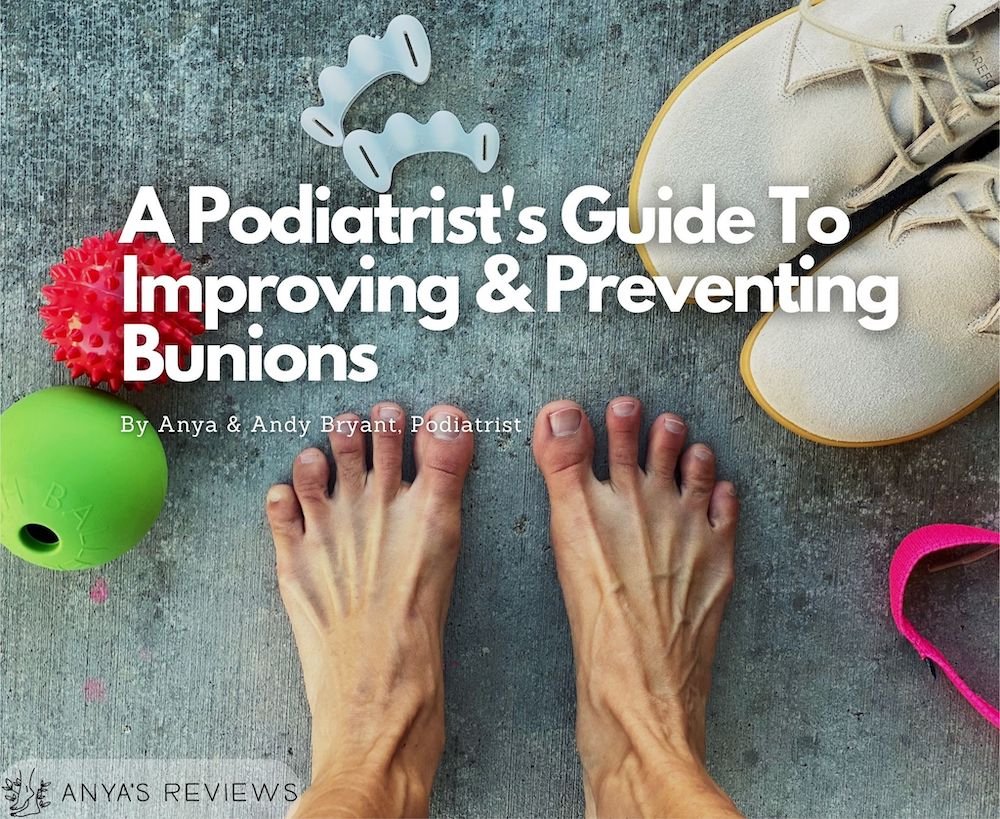
By incorporating range of motion exercises into your foot rehab routine, you can maintain foot health, prevent injuries, and enhance overall well-being. Remember, it's important to consult with a healthcare professional before starting any exercise program, especially if you have existing foot injuries or medical conditions. They can provide guidance tailored to your specific needs and ensure a safe and effective rehabilitation process.
Foot Rehab Exercises: Strengthen and Heal with These Effective Techniques

Credit: anyasreviews.com

Frequently Asked Questions For Foot Rehab Exercises

How Do You Rehab A Foot?

To rehab a foot, try these exercises: Ankle pump-ups and pump-downs, bent-knee and straight-knee wall stretches, toe pick-ups, heel raises, and plantar fascia massage. Also, consider swimming, yoga, cycling, and range of motion exercises. Strengthen your feet with toe raises, curls, splay, marble pickup, big toe stretch, foot roll, and ankle alphabet.

For pain relief, do seated foot stretches and exercises. Remember to consult a healthcare professional before starting any exercise program.

What Is The Best Exercise For Bad Feet?

The best exercise for bad feet includes swimming, yoga, cycling, range of motion exercises, seated weightlifting, isometric exercises, and using an elliptical or rowing machine. Strengthening exercises for feet include toe raises, toe splay, toe curls, marble pickups, big toe stretches, toe extensions, foot rolls, and ankle alphabet.

You can also try foot therapy at home by stretching the foot and heel cord, doing toe pick-ups and curls, bent-knee wall stretches, negative calf raises, towel tugs, ankle pumps, and foot rolls.

What Exercises Strengthen Feet?

Toe Raise, Point, and Curl, Toe Splay, Toe Curls, Marble Pickup, Big Toe Stretch, Toe Extension, Foot Roll, and Ankle Alphabet are exercises that strengthen the feet. It is recommended to do these exercises a few days each week for better results.

How Can I Do Foot Therapy At Home?

To do foot therapy at home, sit upright in a chair with your feet flat on the floor. Place your left foot on your right thigh and pull your toes up towards your ankle. You should feel a stretching sensation in the bottom of your foot and heel cord.

Repeat these exercises a few times each week for best results.

Conclusion

Incorporating foot rehab exercises into your routine can greatly improve the strength and flexibility of your feet. From toe control tests to heel raises, these exercises target specific areas and help with injury recovery. By consistently performing these exercises, you can regain mobility and reduce pain in your feet.

Make sure to consult with a medical professional or therapist for guidance on the best exercises for your specific condition. Take proactive steps towards foot health and incorporate these exercises into your daily routine.

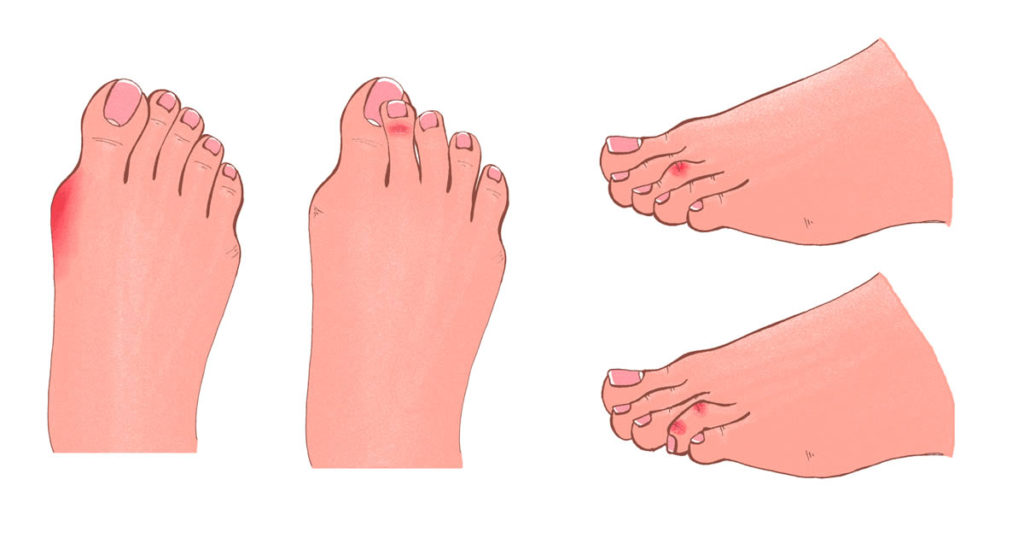
Toes Curving: Discover the Causes and Solutions

Toes can curve due to various factors such as gait, bunions, flat feet, injury, age, and muscle imbalance. This can lead to misalignment and the development of conditions like claw toes and bunions.

Podiatrists can perform arthroplasty to straighten misshapen toes. Crooked toes can be unsightly, uncomfortable, and painful, requiring proper treatment and prevention methods.

Toes Curving: Discover the Causes and Solutions

Credit: www.softstarshoes.com

Understanding Curved Toes

Curved toes, also known as crooked toes, can occur due to various reasons such as gait issues, bunions, flat feet, injuries, or age-related joint problems. Understanding why your toes are curving can help in finding the appropriate treatment and prevention methods.

Seek the help of a podiatrist to straighten misshapen toes through procedures such as arthroplasty.

What Are Curved Toes And Why Do They Occur?

Curved toes, also known as toe deformities, are common foot conditions that can affect people of all ages. This condition occurs when one or more toes become misaligned or bend in an abnormal position. There are different types of curved toes, including claw toes, hammer toes, and mallet toes.

Curved toes can occur for a number of reasons. One common cause is an imbalance in the muscles and tendons that control toe movement. This imbalance can be the result of genetics, wearing ill-fitting shoes, or certain medical conditions such as arthritis or nerve damage.

Furthermore, your gait, or the way you walk, can also contribute to the development of curved toes. For example, if your feet roll inward when walking (a condition known as overpronation), it can lead to misalignment and overlapping of the toes. Additionally, bunions and flat feet can cause joint problems that can result in toe misalignment.

It's essential to understand the underlying causes of curved toes because early intervention and treatment can help prevent further complications or discomfort in daily activities.

The Impact Of Curved Toes On Daily Activities

Curved toes can have a significant impact on daily activities and overall foot health. Here are some ways in which curved toes can affect your daily life:

  • Difficulty walking and standing: When toes are misaligned or bent, it can be challenging to distribute body weight evenly. This can lead to discomfort, pain, or difficulty walking and standing for long periods.
  • Pain and discomfort: Curved toes can cause pain, especially when wearing shoes that put pressure on the affected toes. The pain can range from mild to severe and may worsen over time if left untreated.
  • Limitations in footwear choices: Finding comfortable shoes that accommodate curved toes can be challenging. Many traditional shoe styles may not provide the necessary space or support for toes that don't align properly, which can limit your footwear options.
  • Corn and callus formation: Curved toes can result in increased friction and pressure on specific areas of the foot. This can lead to the development of corns or calluses, which can be painful and require additional treatment.
  • Difficulty with balance: When the toes are misaligned or bent, it can affect your overall balance and stability. This can increase the risk of falls or accidents, especially in older adults.

It's important to address any concerns or discomfort related to curved toes with a healthcare professional, such as a podiatrist. They can provide a proper diagnosis, recommend appropriate treatment options, and offer guidance on managing daily activities to minimize any impact on your quality of life.

Causes Of Curved Toes

Curved toes can occur for a number of reasons. Toes might overlap one another due to your gait, such as if the feet roll inward when walking. Bunions and flat feet can also lead to joint problems that may lead to misalignment in the toes. An injury or even age can create this problem too.

Gait Abnormalities And Their Effect On Toe Alignment

One of the primary causes of curved toes is gait abnormalities. When the feet roll inward or outward during walking, it can affect the alignment of the toes. This misalignment can lead to overlapping toes or toe deformities. Gait abnormalities can be caused by various factors such as muscle imbalances, improper footwear, or underlying medical conditions.

The Role Of Genetics In Toe Curvature

Genetics can play a significant role in toe curvature. Some individuals are born with an inherited predisposition to develop curved toes. This means that if you have a family history of toe deformities, you may be at a higher risk of developing them yourself. However, it's important to note that genetics alone may not be the sole cause of curved toes, as other factors such as gait abnormalities or foot structure can also contribute.

The Relationship Between Bunions And Curved Toes

Bunions, which are bony lumps that form at the base of the big toe, are often associated with curved toes. The angling in of the big toe can lead to the development of bunions, and these bunions can in turn cause the other toes to become misaligned. Bunions can be caused by a variety of factors, including genetics, improper footwear, and foot structure. It's important to address bunions promptly to prevent further toe misalignment and discomfort.

Flat Feet And Its Connection To Toe Misalignment

Flat feet, also known as fallen arches, can contribute to toe misalignment. When the arch of the foot collapses, it can affect the distribution of weight and put excessive pressure on the toes. Over time, this can lead to toe deformities or overlapping toes. Flat feet can be caused by genetics, weak foot muscles, or certain medical conditions. Proper arch support and orthotic devices can help alleviate the strain on the toes and promote proper alignment.

The Effects Of Aging On Toe Curvature

Crooked toes can occur for various reasons, such as gait abnormalities, bunions, flat feet, injuries, and age-related joint problems. Older toes tend to curl into "claw toes" due to muscle imbalance, and bunions are also common among older individuals, particularly women.

Treatment options are available through podiatrists, including arthroplasty to straighten misshapen toes.

Muscle Imbalance And The Development Of Claw Toes In Older Individuals

As we age, our toes become susceptible to various changes in structure and alignment. One common effect of aging is the development of claw toes, which is characterized by the curling of the toes. This condition is often the result of muscle imbalance in older individuals. Muscle weakness and tightness can lead to the imbalance of the tendons and ligaments that control toe movement. This imbalance causes the toes to curl, resulting in discomfort and difficulty in walking. It is important for older individuals to seek proper care and treatment from a podiatrist to manage and reduce the progression of claw toes.

The Connection Between Bunions And Age-related Toe Curvature

Bunions, another foot condition commonly associated with aging, can also contribute to age-related toe curvature. Bunions are bony bumps that form at the base of the big toe, often causing the toe to angle inward toward the second toe. As individuals age, the bones in the feet may become weaker and more prone to misalignments. This, coupled with the repetitive movements and pressure placed on the feet over the years, can lead to the development of bunions and further contribute to toe curvature. Seeking early treatment and preventative measures can help reduce the impact of bunions on toe alignment.

How Age-related Changes In Bones Contribute To Toe Curvature

Age-related changes in bone density can also play a role in toe curvature. As we age, our bones naturally lose density and become weaker. This can result in misalignments and deformities in the feet, including toe curvature. The weakening of the bones can cause them to shift and press against the surrounding tissues, leading to toe deformities and discomfort. Maintaining good bone health through a balanced diet, regular exercise, and appropriate supplementation can help mitigate the effects of aging on toe curvature.

Common Problems Associated With Curved Toes

Curved toes can occur due to various reasons, such as gait abnormalities, bunions, flat feet, injury, or age-related joint problems. They can lead to discomfort and affect the alignment of the toes. Seeking treatment from a podiatrist can help straighten the toes and alleviate any associated issues.

Pain And Discomfort Caused By Toe Misalignment

One of the most common problems associated with curved toes is the pain and discomfort caused by toe misalignment. When the toes are not properly aligned, it can put pressure on the joints and the surrounding tissues, leading to pain and discomfort. This can make it difficult to walk or participate in physical activities, impacting your overall quality of life.

Difficulties In Finding Comfortable Footwear

Another problem that individuals with curved toes often face is difficulties in finding comfortable footwear. The misalignment of the toes can make it challenging to find shoes that fit properly. Many shoes are designed for straight toes and may not provide enough room or support for curved toes. This can result in discomfort, blisters, and corns, making it important to find footwear that accommodates the unique shape of your feet.

Impact Of Curved Toes On Balance And Stability

Curved toes can also have an impact on your balance and stability. When the toes are not aligned properly, it can affect the distribution of weight on your feet, making it harder to maintain balance. This can increase the risk of falls and injuries, especially in older individuals or those with existing balance issues. It is important to address the misalignment of curved toes to improve overall stability and reduce the risk of accidents.


Solutions For Curved Toes

Bent and curved toes can be caused by various factors such as gait abnormalities, bunions, flat feet, injuries, and aging. To address this issue, individuals can seek treatment from a podiatrist who can offer options such as arthroplasty to straighten misshapen toes.

Non-surgical Treatment Options:

Exercises And Stretches To Improve Toe Alignment

Exercises and stretches can be a beneficial non-surgical option for improving toe alignment and reducing the curvature. These exercises focus on strengthening and stretching the muscles and ligaments in the feet and toes. Some effective exercises include:
  • Toe stretches: Gently pull each toe outward, hold for a few seconds, and release.
  • Toes curls: Squeeze a small towel or ball with your toes, hold for a few seconds, and release.
  • Toe taps: Tap each toe on the floor individually, starting with the big toe and working your way to the pinky toe.
  • Ankle rotations: Rotate your ankles in a circular motion, both clockwise and counterclockwise.
  • Toe mobility exercises: Flex and extend your toes, moving them up, down, and side to side.

Custom Orthotics For Toe Support

Custom orthotics, also known as shoe inserts or insoles, can provide additional support and alignment for curved toes. These orthotics are specially designed to fit the shape and structure of your feet, providing cushioning, arch support, and toe realignment. By wearing custom orthotics regularly, you can help correct the curvature of your toes and alleviate any associated pain or discomfort.

Toe Spacers And Splints To Promote Proper Alignment

Toe spacers and splints are simple yet effective devices that help promote proper alignment of the toes. Toe spacers are usually made of soft silicone or gel material and are placed between the toes to gradually separate them and realign the joints. Splints, on the other hand, are worn externally and provide a more rigid support to hold the toes in the correct position. Both toe spacers and splints can be worn during the day or while sleeping to encourage proper alignment and alleviate any pain or pressure caused by curved toes.

Surgical Intervention For Severe Cases:

Procedures Such As Toe Joint Fusion Or Correction

In severe cases where non-surgical treatments do not provide the desired results, surgical intervention may be necessary to correct the curvature of the toes. Common surgical procedures for curved toes include toe joint fusion and correction. Toe joint fusion involves fusing the bones in the toe joint together to eliminate any movement and realign the toe. Toe correction procedures aim to correct the soft tissues and ligaments around the toe, allowing for proper alignment and function.

Recovery And Rehabilitation Process After Surgery

After undergoing surgery for curved toes, a comprehensive recovery and rehabilitation plan is essential to ensure proper healing and regain full functionality. The exact recovery process may vary depending on the specific procedure performed. It typically involves a period of immobilization, followed by rehabilitation exercises and physiotherapy to restore strength, flexibility, and function to the toes. Your healthcare provider will provide specific instructions and guidelines to help you navigate the recovery journey successfully. 

Toes curving can be a frustrating problem, but with the right solutions and interventions, you can improve toe alignment and find relief from discomfort. Whether through non-surgical options like exercises, stretches, custom orthotics, toe spacers, and splints or surgical interventions like toe joint fusion or correction, there are solutions available to address curved toes and promote healthy, properly aligned feet. Don't hesitate to consult with a healthcare professional, such as a podiatrist, for a proper evaluation and personalized treatment plan.

Frequently Asked Questions For Toes Curving

Why Are My Toes Curving?

Crooked toes can occur due to various reasons. They may occur if your feet roll inward when walking, or if you have bunions or flat feet. Joint problems and misalignment can also be caused by an injury or age. Older toes tend to curl into "claw toes" due to muscle imbalance, and bunions are commonly associated with the angling of the big toe.

A podiatrist can straighten toes through arthroplasty surgery.

Why Do Toes Curl With Age?

As we age, toes can curl and become misaligned due to muscle imbalance or joint problems caused by factors like gait, bunions, flat feet, injury, or simply aging. This can lead to conditions such as "claw toes" or hallux valgus (bunion formation).

What Does It Mean When Your Big Toes Curve?

When your big toes curve, it typically means you have a condition called hallux valgus. This is when the big toe starts to turn inward toward the second toe, often leading to the development of bunions. This can be caused by factors like gait, bunions, flat feet, injury, or age.

A podiatrist can help straighten toes through procedures like arthroplasty.

Can A Podiatrist Straighten Toes?

Yes, a podiatrist can straighten toes through a procedure called arthroplasty. It involves removing a small piece of bone from the misshapen joint, correcting the buckling effect and making the toe straight.

Conclusion

Toes curving can occur for various reasons, including gait abnormalities, bunions, flat feet, injuries, and aging. As we age, muscle imbalances and the development of bunions can cause the toes to curl or turn inward. It's essential to address these issues to prevent discomfort and pain.

Consulting a podiatrist can provide solutions such as arthroplasty to straighten toes. Treatments and prevention methods can help alleviate the unsightly and uncomfortable conditions associated with crooked toes. Prioritizing foot health and seeking professional help when necessary is crucial.

Scrunched Feet: The Connection to Hammer Toe

Scrunched feet

Scrunched feet, also known as "toe scrunching," is a common condition characterized by the contraction and tightening of the muscles in the feet, leading to the toes being curled or bent. This condition can not only cause discomfort and pain, but it can also lead to the development of hammer toes.

What is Hammer Toe?

Hammer toe is a deformity in which one or more toes are bent at the middle joint, resembling a hammer. This condition can also cause pain and discomfort, as well as difficulty in walking and fitting into shoes.

Symptoms of Scrunched Feet

The most common symptom of scrunched feet is pain and discomfort in the toes. This pain can range from mild to severe, and may be accompanied by redness, swelling, and stiffness. Other symptoms of scrunched feet include the development of calluses and corns on the toes, as well as difficulty walking or standing for long periods of time.

Importance of addressing scrunched feet

Addressing scrunched feet is important for several reasons. Firstly, scrunched feet can cause pain and discomfort in the affected toes, making it difficult to walk or fit into shoes. This can greatly impact a person's quality of life, making it difficult to carry out daily activities.

Secondly, scrunched feet can lead to other complications such as calluses, blisters, and even arthritis. Calluses and blisters can form on the toes due to the added pressure and friction caused by the curled toes. This can lead to further pain and discomfort. Arthritis can also develop in the affected toes due to the added stress on the joints caused by scrunched feet.

Thirdly, scrunched feet can make it difficult to find properly fitting shoes. The curled toes take up more space in the shoe, making it difficult to find shoes that fit comfortably. This can lead to further pain and discomfort, as well as making it difficult to find appropriate footwear for different occasions.

Lastly, scrunched feet can be a sign of an underlying condition, such as diabetes, that needs to be addressed. If left untreated, scrunched feet can worsen over time and lead to more severe problems.

How Scrunched Feet Can Lead to Hammer Toe

Scrunched feet can lead to hammer toe due to the prolonged contraction and tightening of the muscles in the feet. Over time, this can cause the muscles and tendons to shorten, leading to the toes becoming bent and fixed in the contracted position. This can also cause the joints in the toes to become stiff and immovable, leading to the development of hammer toes.

Risk Factors for Scrunched Feet and Hammer Toe

There are several risk factors that can contribute to the development of scrunched feet and hammer toe, including:
  • Wearing high heels or ill-fitting shoes
  • Having flat feet or high arches
  • Having certain medical conditions, such as diabetes or rheumatoid arthritis
  • Having a family history of foot deformities

Prevention and Treatment of Scrunched Feet and Hammer Toe

There are several steps that can be taken to prevent and treat scrunched feet and hammer toe, including:
  • Wearing comfortable, well-fitting shoes with a wide toe box
  • Stretching and exercising the feet regularly
  • Using orthotics or inserts to support the feet and correct any imbalances
  • Avoiding activities that put excessive stress on the feet, such as standing for long periods of time
  • In severe cases, surgery may be necessary to correct the deformity and alleviate pain.

Rare Foot Conditions 

There are several rare foot conditions that can affect individuals. Some examples include:
  • Congenital vertical talus: is a congenital disorder of the foot where the talus bone is in a vertical position, causing the heel to be elevated and the foot to be plantar flexed.
  • Tarsal coalition: is a congenital disorder of the foot where two or more bones in the foot fuse together, leading to limited mobility and pain.
  • Charcot-Marie-Tooth disease (CMT): is a genetic disorder that affects the peripheral nerves, causing muscle weakness and wasting in the feet and lower legs.
  • Freiberg's infraction: is a rare condition that affects the metatarsal head of the second toe, causing pain and discomfort.
  • PTTD (Posterior tibial tendon dysfunction) : It is a condition that affects the tendon that runs along the inside of the ankle and foot, connecting the calf muscle to the bones in the foot.
  • Splayfoot: is a condition where the feet are abnormally flat and have an increased arch width.
  • Clubfoot: is a congenital condition where the foot is turned inward and downward, causing difficulty walking and problems with shoe fit.
  • Arthrogryposis: is a congenital condition characterized by multiple joint contractures, causing stiffness and limited movement in the feet and ankles.
These conditions can be debilitating and may require medical attention, treatment, and management. If you suspect you have any of these conditions, it is important to seek the advice of a doctor or a podiatrist.

FAQ

How to point your toes without scrunching them?

Pointing your toes can be a great way to stretch and strengthen the muscles in your feet, but it's important to do it correctly to avoid scrunching your toes. Here are a few tips:
  • Start by sitting with your legs stretched out in front of you.
  • Slowly flex your foot, pointing your toes towards your knee.
  • Hold for a few seconds and then release.
  • Repeat this exercise a few times, gradually increasing the hold time as your muscles get stronger.
To avoid scrunching your toes, make sure to keep the rest of your foot relaxed and avoid gripping the floor with your toes.

Why are my toes scrunched up?

There are several reasons why your toes may be scrunched up. Some common causes include:
  • Wearing ill-fitting shoes that are too tight or too narrow
  • Overuse or injury to the muscles and tendons in your feet
  • Neurological conditions such as diabetes
  • Genetics may also play a role.

Why do my toes scrunch up?

Your toes may scrunch up for the same reasons as above. Wearing ill-fitting shoes, overuse or injury, neurological conditions, and genetics can all contribute to scrunched toes.

Why do I scrunch my toes?

You may scrunch your toes as a habit or a way to relieve stress. It may also be a sign of an underlying condition such as neurological or musculoskeletal disorder.

Why do I scrunch my toes all the time? 

If you scrunch your toes all the time, it may be due to a habit or an unconscious movement. It may also be a sign of an underlying condition such as neurological or musculoskeletal disorder. It's important to consult with a doctor or a podiatrist to determine the cause and appropriate treatment.

Conclusion

Scrunched feet can lead to the development of hammer toes, a painful and debilitating condition. It is important to be aware of the risk factors and take preventative measures to maintain the health and proper function of our feet. If you are experiencing symptoms of scrunched feet or hammer toe, it is important to consult a doctor or podiatrist for proper diagnosis and treatment.

Toe Scrunching 101: How to Massage Your Feet for Maximum Relaxation

Toe Scrunching

Hey there!

Do you ever come home after a long day and just feel like you need to give your feet some TLC? If you're anything like me, you probably spend a lot of time on your feet and they deserve some love and attention. 

That's where toe scrunching comes in. This (scrunching feet) simple foot massage technique is an easy way to relieve tension, improve circulation, and relax your whole body. In this guide, we'll go over the basics of toe scrunching and how you can use it to give your feet the ultimate massage. So kick off your shoes, grab a comfortable spot to sit, and let's get started!

Toe scrunching may not be the first thing that comes to mind when you think of ways to relax, but it can actually be a very effective method for relieving tension in the feet and lower legs. In this article, we'll go over the basics of scrunching toes and how to use it to massage your feet for maximum relaxation.

How To Do Toe Scrunching

First, let's start with a quick anatomy lesson. The toes are made up of several small bones called phalanges, which are connected to the metatarsal bones in the middle of the foot. These bones are surrounded by muscles, tendons, and ligaments, which help to move the toes and maintain balance when we walk.

Now that we have a basic understanding of the structure of the toes, let's talk about how to do a toe clench or scrunch. 

To start, sit in a comfortable position with your feet flat on the ground. Take one foot in your hand and gently squeeze the toes together, using your thumb and fingers to apply pressure to the muscles and tendons between the toes. You can also try wiggling the toes back and forth or rotating them in a circular motion to massage the muscles and tendons further.

Once you've worked on one foot, switch to the other and repeat the process. You can do this for as long as you like, applying more or less pressure depending on your preference. Some people find it helpful to use a foot massager or rolling pin to apply pressure to the toes, but you can also use your hands if you prefer.

Benefit Of Feet Scrunch

In addition to the toes, there are other areas of the foot that can benefit from massage. The arch of the foot, for example, is home to a number of muscles and tendons that help to support the weight of the body. To massage the arch, try using your thumb to apply gentle pressure to the center of the foot, working your way from the heel to the ball of the foot. You can also try using a foot roller or massager to apply pressure to the arch.

The heels and ankles are also important areas to focus on when massaging the feet. To massage the heels, try using a foot massager or rolling pin to apply pressure to the heels, or use your hands to gently squeeze the muscles and tendons in the area. For the ankles, try using your thumb to apply gentle pressure to the outer and inner edges of the ankle, working your way up and down the leg.

Is Toe Scrunch Relaxing?

So why is toe scrunching and foot massage so effective at relieving tension and promoting relaxation? For one thing, the feet are home to a number of pressure points that are thought to be connected to other areas of the body. By massaging these pressure points, you can help to reduce tension and promote relaxation in other parts of the body as well.

Moreover, the feet are subjected to a lot of stress and strain on a daily basis, whether from standing for long periods of time or walking long distances. Massaging the feet can help to alleviate some of this tension and promote better circulation, which can lead to overall feelings of relaxation and well-being.

So next time you're feeling stressed or tense, try giving your feet a massage using the techniques described above. You may be surprised at just how much of a difference it can make in your overall sense of relaxation and well-being. So, this is all about Toe Scrunching 101: How to Massage Your Feet for Maximum Relaxation.

Foot Rehab Exercises: Strengthen and Heal with These Effective Techniques

Foot rehab exercises in Austin, Texas can help you recover from foot and ankle injuries. These exercises focus on ...